


Metabolism support has become one of the biggest wellness conversations of 2026. Instead of only focusing on restrictive dieting, more adults are paying attention to the everyday habits that may influence energy, consistency, appetite patterns, movement, and weight-management routines.
This shift is happening because many people are tired of short-term plans that are difficult to maintain. They want simple wellness routines that fit real life — work schedules, family responsibilities, changing energy levels, stress, and modern daily habits.
The result is a growing interest in metabolism-focused routines, nutrition-support products, hydration habits, movement reminders, sleep quality, and supplement formulas that are positioned around daily support.
Why Metabolism Support Is Getting More Attention
For many adults, weight management is no longer viewed as just “eat less and move more.” People are becoming more aware that sleep, stress, hydration, protein intake, muscle activity, digestion, and routine consistency may all influence how they feel day to day.
This has created a wider wellness conversation around metabolism support. Instead of chasing one extreme solution, people are looking for small daily habits that feel realistic and repeatable.
The Problem With Short-Term Diet Thinking
Many diets work for a short period because they create structure. But when the routine becomes too restrictive, too complicated, or too disconnected from normal life, people often stop following it.
That is why metabolism-support trends in 2026 are leaning toward easier routines: better morning habits, more balanced meals, consistent hydration, gentle movement, and wellness products that fit into a normal day.
Metabolism and weight-management products should be viewed as supportive wellness tools, not medical treatments. If you have a medical condition, take medication, or experience unusual symptoms, speak with a qualified healthcare professional.
What Daily Metabolism Support Usually Includes
A realistic metabolism-support routine may include simple habits like eating enough protein, drinking more water, walking more often, reducing late-night snacking, improving sleep consistency, and choosing meals that support steady energy.
Some people also explore supplements, drops, teas, or powdered formulas that are positioned around healthy lifestyle support. The key is understanding that these products should support a routine — not replace one.
Why “Easy To Use” Products Are Trending
One reason products like drops, teas, and drink mixes are popular is convenience. They are easy to understand, easy to add to a daily routine, and do not require complicated meal plans or special equipment.
This is especially appealing to adults who want to improve their wellness habits but do not want another routine that feels overwhelming after a few days.
A Metabolism-Support Product That Caught Our Attention
While researching modern metabolism-support and nutrition-focused wellness products, the SanovitaCare Product Research Team came across Metabo Drops — a daily wellness formula positioned around metabolism support, healthy lifestyle habits, and everyday weight-management routines.
View Product Review →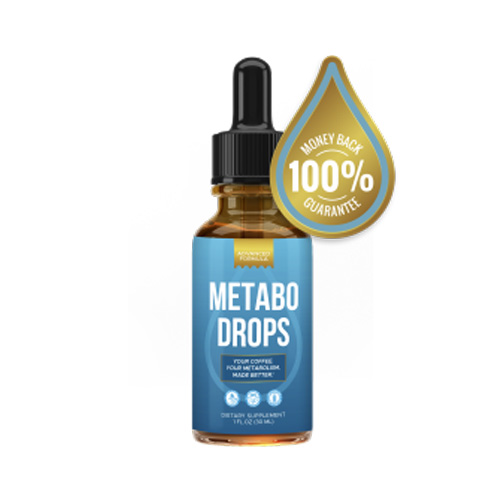
Metabo Drops
What To Look For Before Trying A Metabolism Product
Before trying any metabolism-support product, review the ingredient list, serving directions, safety notes, refund policy, and the way the product explains its benefits. Be careful with exaggerated promises or claims that sound too extreme.
A stronger approach is to choose products that fit naturally into a routine that already includes healthier meals, movement, hydration, sleep, and consistency.
Final Thoughts
The metabolism-support trend is growing because people want more realistic ways to support their wellness goals. Instead of chasing extreme plans, many adults are looking for daily routines that feel easier to maintain.
SanovitaCare will continue researching metabolism-support trends, nutrition-focused wellness products, and practical healthy living strategies that help readers make more informed decisions.