

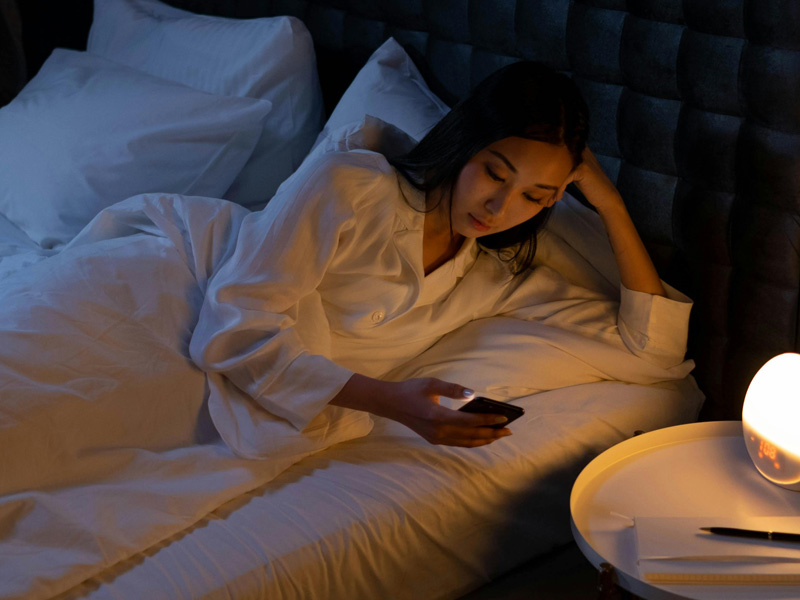
Waking up in the middle of the night can feel frustrating, especially when it happens around the same time. Many adults fall asleep normally, only to open their eyes between 2 and 4 AM and struggle to fully settle back down. While occasional wake-ups can be normal, repeated nighttime interruptions often make people question their evening routine, stress levels, sleep environment, and daily wellness habits.
The truth is that sleep is affected by more than bedtime alone. What happens throughout the day can influence how the body relaxes at night. Stress, screen exposure, caffeine timing, late meals, temperature, discomfort, inconsistent routines, and mental overload may all play a role in how restful the night feels.
This is why more people are now looking at sleep support as part of a full wellness routine instead of treating it as a single nighttime problem.
Why The 2 AM To 4 AM Window Gets Attention
The early-morning hours are a time when many people move through lighter stages of sleep. If the body or mind is already unsettled, it may be easier to wake during that window. Some people notice racing thoughts, restlessness, thirst, temperature changes, bathroom trips, or general discomfort around this time.
It does not always mean something serious is wrong. But if the pattern continues, it may be a sign that the evening routine needs more support, consistency, and relaxation before bed.
Modern Habits Can Make Rest Feel Harder
Many adults spend the day under constant stimulation. Phones, computers, work messages, family obligations, financial stress, and fast-paced routines can keep the nervous system active long after the day is technically over.
Even when someone feels tired, their body may not be fully prepared for deep rest. Scrolling in bed, eating too late, drinking caffeine in the afternoon, or going to sleep at different times each night can make sleep feel more fragile.
Sleep-support products should be viewed as wellness tools, not medical treatments. If sleep problems are severe, persistent, or connected to health concerns, speak with a qualified healthcare professional.
The Rise Of Evening Wellness Routines
Instead of relying on random fixes, more people are building structured nighttime routines. This may include dimming lights, limiting screens, stretching, reading, using calming sounds, lowering room temperature, and creating a more consistent bedtime.
The goal is not perfection. The goal is repetition. When the body receives the same calming signals every night, it may become easier to transition from a busy day into a more relaxed state.
This is also why sleep-support formulas, nighttime teas, magnesium-style products, relaxation blends, and calming wellness supplements have become more popular in recent years.
A Sleep-Support Product That Caught Our Attention
While researching modern sleep-support and nighttime wellness products, the SanovitaCare Product Research Team came across Yu Sleep — a sleep-focused formula positioned around falling asleep more easily, supporting uninterrupted rest, and helping users wake up feeling more refreshed as part of a consistent evening routine.
View Product Review →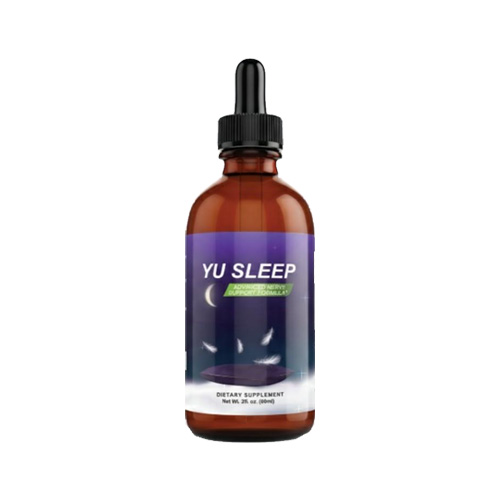
Yu Sleep
What To Review Before Trying A Sleep Product
Before trying any sleep-support product, review the ingredient list, suggested use, safety notes, refund policy, and whether the product makes realistic claims. Be careful with anything that promises instant or guaranteed results for everyone.
A better approach is to use sleep-support products as part of a wider routine. That means improving light exposure, caffeine timing, stress management, hydration, evening meals, bedroom comfort, and bedtime consistency.
Small Changes That May Support Better Nights
Many people start by adjusting simple habits. Try keeping the same sleep and wake schedule, reducing bright screens before bed, avoiding heavy meals late at night, keeping the bedroom cool, and creating a wind-down period that does not involve work or stress.
If nighttime wake-ups are connected to discomfort, tension, anxiety, or frequent bathroom trips, those areas may need more focused attention. Sleep is rarely isolated from the rest of the day.
Final Thoughts
Waking up between 2 and 4 AM can be frustrating, but it is also a reminder to look at the bigger picture. Sleep quality is shaped by stress, routine, environment, timing, comfort, and overall wellness habits.
SanovitaCare will continue researching sleep-support trends, nighttime wellness routines, and products designed to help readers make smarter decisions around rest, recovery, and everyday healthy living.